Sterling vs Silverplate vs Stainless Flatware: A Clear Guide
Choosing flatware is one of those decisions that seems simple until you’re actually making it. I inherited pieces from my grandmother’s flatware collection years ago. My favorites were the long sterling silver iced tea spoons—elegant, slightly impractical, meant for the tall crystal glasses she’d also passed down. For the longest time, they sat unused in storage. Then one morning, I pulled them out for brunch with friends, and something clicked: the best flatware is the kind you’ll actually use, not the kind that stays pristine in a drawer.
I’d later discover these spoons were part of a distinctly American entertaining tradition. By World War I, Americans were buying specialized tall iced tea glasses, long spoons, and even lemon forks as iced tea became a national obsession—originally known as parfait spoons, they were designed to reach the bottom of tall glasses for stirring sugar into sweet tea or eating ice cream floats. My grandmother’s set represented an era when entertaining meant having the right tool for every occasion.
At Kneen & Co, this is a conversation we have with clients constantly. The “right” choice isn’t about which material is objectively best—it’s about which material fits how you actually live.
Three Questions Before You Decide
How do you really use your table? Be honest. Weekly dinner parties are different from twice-a-year holiday hosting.
What level of care feels sustainable? Some people love the ritual of polishing silver. Others want zero-maintenance ease. Both are completely valid.
What’s your aesthetic? Your flatware should feel natural in your home—whether that’s traditional, casually elegant, or modern minimal.
Your answers will point you in the right direction.
Sterling Silver: The Heirloom Standard
Sterling has weight and presence. The way light moves across it is different from plated silver or polished steel. It ages beautifully, developing a soft patina many collectors prefer to high polish. It’s endlessly renewable—scratches can be buffed out, dents can be raised, tarnish is only surface-level.
Sterling also holds intrinsic value. You’re not buying it as an investment, but there’s real precious metal content in a complete service. More importantly, these are the sets that get passed down with family stories attached.
The reality of maintenance: Sterling tarnishes when exposed to sulfur in air, certain foods, and humidity. The care is straightforward: rinse after use (especially after eggs, fish, salt, or anything acidic), dry thoroughly, store in low humidity. Polish a few times a year or let it develop that soft, lived-in look. The key is consistency, not intensity.
Choose sterling if you want something that becomes part of your family’s story, if you appreciate objects that improve with age, or if you’re building a table rooted in tradition. Many refined tables use sterling every single day.
Silverplate: Smarter Than You Think
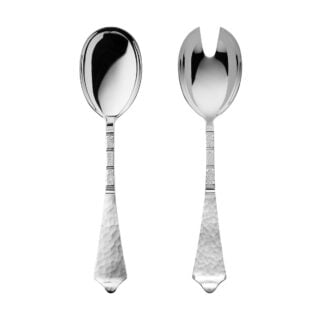
Quality silverplate from a good maker offers real beauty, especially in specific situations. It’s exceptional for serving pieces—a stunning tray, punch bowl, or serving set gives you the full silver experience without the sterling investment. At Kneen & Co, we often recommend this approach for comprehensive collections. It lets you go bigger and more dramatic.
Silverplate also works beautifully as occasion flatware. If you’re only using it for holidays and special dinners, wear isn’t a concern.
Quality silverplate can last decades with proper care. But with heavy daily use, high-friction points—fork tines, knife edges—will eventually show wear. This is why experienced collectors use silverplate strategically. Care is the same as sterling: rinse, dry, store properly.
Choose silverplate when you want silver for entertaining, when you’re building serving pieces to complement everyday flatware, or when you fall for a pattern only available in plate.
Stainless Steel: Modern Luxury Done Right
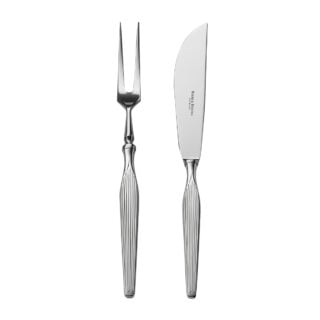
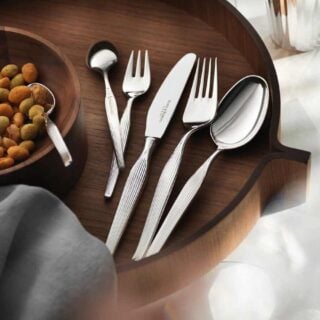
The best stainless flatware isn’t a compromise—it’s a deliberate choice. Premium stainless is forged, not stamped. The difference is immediate: better balance, refined edges, smoother finishes.
Look for 18/10 stainless (18% chromium, 10% nickel)—the standard for quality pieces. It resists corrosion and takes a beautiful finish. Mirror polish gives high shine. Satin or brushed finishes offer a quieter, contemporary look. Some makers mix both on a single piece.
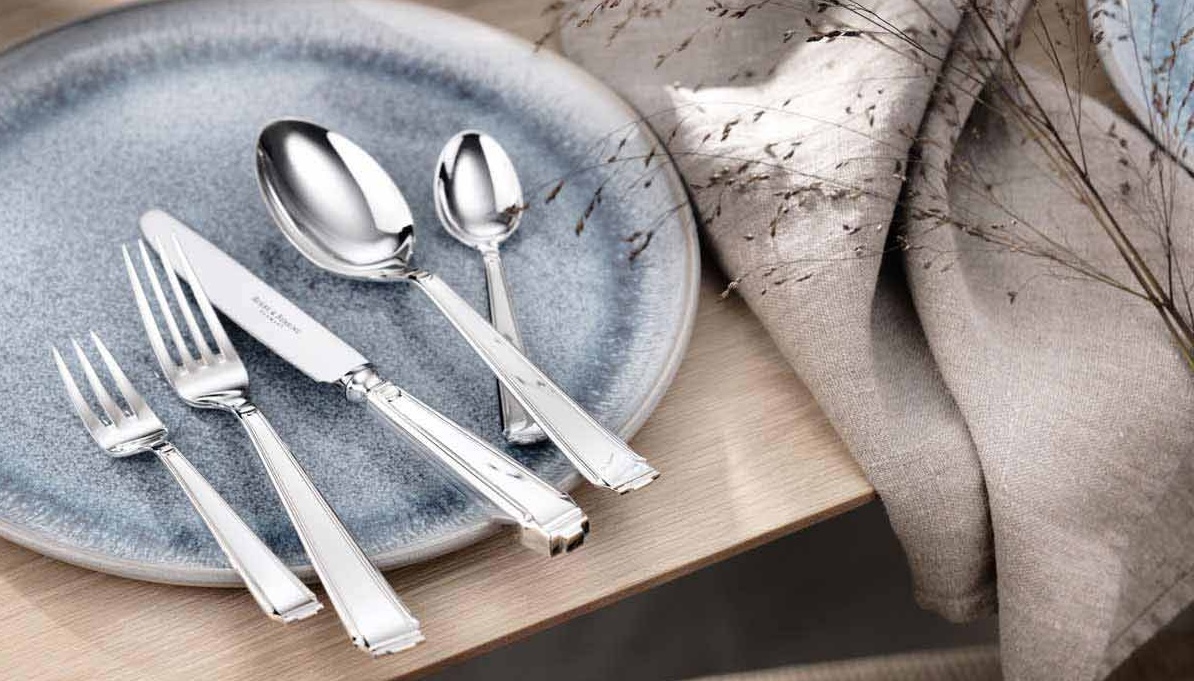
Stainless requires minimal maintenance—wash, dry, done. No tarnish, no polishing, no worry. It’s also incredibly versatile, working with fine china and everyday stoneware, in minimalist modern homes and traditional settings.
I built my collection around stainless for exactly this reason. I love hosting—often and spontaneously—and my aesthetic is minimal and modern. There’s something liberating about flatware that looks exceptional but doesn’t require any mental energy. It works seamlessly for Tuesday night or a considered weekend dinner.
Choose stainless when you prioritize daily ease, when your aesthetic leans modern, or when you’re building a foundational set for constant use.
Pattern Selection Matters Too
Material is half the decision. Pattern longevity is the other half.
Timeless patterns have balanced proportions, restrained details (or complete simplicity), and roots in either historical precedent or clear modernist design. Think French fiddle, art deco geometrics, clean Scandinavian lines. These look good now and will in 2050.
Trend-forward patterns can be beautiful, but ask yourself if you want to look at highly ornate or stylized details every day for 30 years. Many collectors use bold patterns for serving pieces and keep place settings simple.
My rule: ornate works when you’re consciously building a traditional collection. Simplicity works everywhere, always.
Building Your Collection
Start with eight five-piece place settings—the sweet spot for most people. It’s enough for a dinner party without mid-meal washing. Twelve if you host holidays frequently. Six if you’re just starting out.
There’s real satisfaction in building a collection gradually. Start with a strong foundation, then add serving pieces as you figure out how you actually entertain.
I’ve taken this approach myself. While my everyday flatware is minimal and modern, I also inherited my grandmother’s ornate floral sterling silver dessert spoons—the ones meant for her crystal banana boats. At first, I thought they were too fussy for my aesthetic. Then I started using them to finish dinners, pairing them with my clean-lined dinnerware, and something wonderful happened. Those small flares of ornate detail—whether it’s a decorative dessert spoon or an elaborate coffee service—can completely elevate a table without overwhelming it. My taste is more eclectic than I realized, and building a collection over time let me discover that.
Many clients also develop “wardrobes”—everyday stainless plus sterling or silverplate for occasions.
Beyond place settings, the serving pieces you’ll actually use include a serving spoon and fork, slotted serving spoon, large ladle, butter knife, and cake or pie server. Then add based on your real entertaining style: fish servers, sauce ladles, salad servers, cocktail forks.
Care Basics
For sterling and silverplate: Store in low humidity, ideally in cloth rolls or anti-tarnish storage. Rinse after use, especially after salt, eggs, fish, vinegar, citrus, or mustard. Dry completely—water spots are tarnish in progress. Polish when you notice tarnish, or hire professional cleaning. Never store silver touching rubber, wool, or felt.
For stainless: Rinse and dry to maintain the finish. Most stainless is dishwasher-safe, but check your maker’s guidance. Avoid prolonged soaking with food residue. If you notice a film from minerals or detergent, clean with stainless steel cleaner or a baking soda paste.
What We’re Seeing Now
A few interesting trends among our Kneen & Co clients: Mixed-metal tables are getting sophisticated, with people thoughtfully pairing warm gold flatware with cool silver serving pieces, or layering stainless settings with sterling accents. Everyday sterling is back—younger collectors are rejecting the “too precious to use” mentality and actually using their good silver daily. Minimalist patterns are winning, but statement serving pieces are having a moment. Simple place settings, dramatic servers. Registry couples are thinking in layers from day one, registering for both everyday and occasion pieces.
Your Decision
Choose sterling if you want something that becomes part of your family’s legacy, if you appreciate objects that improve with age, or if you’re building a table rooted in tradition.
Choose silverplate if you want the silver experience for entertaining, if you’re expanding a serving collection, or if a particular design is only available in plate.
Choose stainless if you want daily ease, if your aesthetic leans modern, or if you’re creating a versatile foundation.
None of these is inherently better. The right one matches how you actually live.
Quick Reference
Heirloom quality & tradition: Sterling silver
Silver for entertaining: Silverplate
Daily ease & versatility: Stainless steel
Lasting investment value: Sterling silver
Zero maintenance: Stainless steel
Building serving pieces: Silverplate or mixed materials
Common Questions
Is sterling silver more valuable than silverplate?
Sterling has intrinsic precious metal value and typically holds both financial and sentimental worth over time. Silverplate offers the silver experience with a different lifecycle. Value depends on what matters to you.
Will silverplate eventually wear through?
Quality silverplate can last decades with proper care. Heavy daily use in high-friction areas will eventually show wear, which is why many people use silverplate for entertaining or serving pieces.
Does stainless steel belong on a formal table?
Exceptional stainless is absolutely appropriate for formal dining. Quality matters more than material—design, proportion, finish, and craftsmanship determine whether something works.
How many place settings do I need?
Eight is most versatile for regular entertainers. Six works for smaller households. Twelve is ideal for holiday hosting.Can I mix materials?
Absolutely. Many sophisticated tables pair everyday stainless with sterling or silverplate for formal occasions. Mixing serving pieces with place settings creates visual depth.
Find Your Perfect Flatware at Kneen & Co
The right flatware set isn’t just about the table—it’s about the life you build around it. If you’d like expert guidance on selecting the material, pattern, or service size that best fits your home, our team is here to help.
Explore our collections:
- Sterling Silver Flatware
- Silverplated Flatware & Serving Pieces
- Stainless Steel Flatware
- Wedding Registry