The Art of Gifting (And Receiving)
Gift-giving is both an art and an act of empathy. At Kneen & Co, we believe a truly meaningful gift goes beyond the object—it reflects care, attention, and the beauty of thoughtful presentation. Whether you’re selecting a hand-crafted piece, perfecting your wrapping, or writing the note that ties it all together, the most memorable gifts are those that feel personal. In this essay, we explore the timeless etiquette and quiet luxury behind the art of giving well.
The Art of Gifting
There’s something about a really good gift that stays with you. Not just the thing itself, but the feeling behind it. It’s rarely about how much you spent. More often, it’s about whether you actually saw the person you were buying for.
A gift that lands right doesn’t announce itself. It just quietly says: I was thinking about you. I noticed. I thought you’d love this.
I’ve been thinking about this a lot lately, especially as we move through the season when gifting becomes not just a gesture but almost an expectation. And honestly? That pressure can strip away what makes giving meaningful in the first place. When you’re scrambling to check names off a list, it’s easy to default to generic options that feel safe but ultimately forgettable.
The gifts that matter, the ones people actually remember years later, come from a different place entirely.
Paying Attention
The best gifts I’ve given (or received, honestly) started with paying attention. Like when you notice your friend can’t stop admiring a certain plate at a restaurant, or how your sister always wraps herself in that one specific blanket. Those little moments? They’re everything.
But here’s the thing: paying attention takes time. It means being present enough in someone’s life to pick up on their preferences, their routines, the small things that bring them joy. It’s not about grand gestures or obvious hints. Sometimes it’s as subtle as noticing the way someone lights up when they talk about their morning coffee ritual, or how they’ve mentioned wanting to create a calmer space in their bedroom.

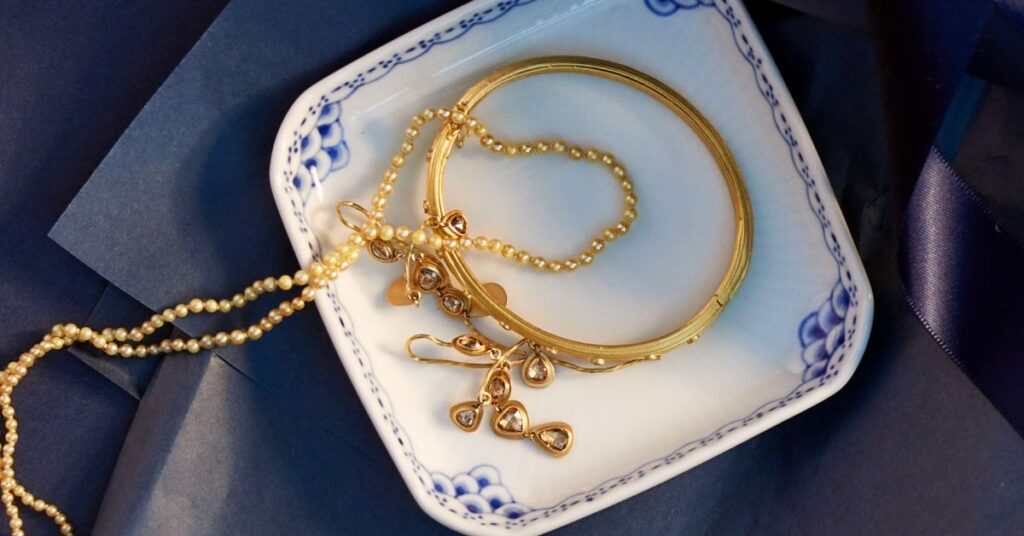
There’s something special about choosing something that becomes part of someone’s everyday life. A coffee mug that feels perfect in their hand, or a small dish where they’ll drop their rings every night. These aren’t just objects; they become part of the rhythm of someone’s day.
I remember giving my best friend a linen apron after spending an afternoon at her place while she cooked. She kept wiping her hands on a dishtowel tucked into her waistband, and I realized she didn’t actually have a proper apron she liked. It wasn’t expensive or fancy, but she told me later she thinks of me every time she puts it on. That’s the sweet spot, right? When something useful becomes something meaningful.
Mary Jeanne, who founded Kneen & Co, talks about this a lot. She says gifting is like a conversation you’re having without words. When you give someone a handmade ceramic bowl, maybe you’re really saying “I love how creative you are” or “I admire your sense of calm.” A beautiful decanter might mean “Let’s make time to celebrate together.” Every choice carries something unspoken.
The objects we choose become proxies for feelings we might struggle to articulate otherwise. That’s why a well-chosen gift can feel so powerful. It’s vulnerability wrapped in ribbon.
How You Wrap It Matters
I used to think wrapping was just… wrapping. Something you did quickly with whatever paper you had lying around, maybe while watching TV. But how you present something actually changes the whole experience. Good wrapping makes people slow down. It turns opening a gift into a moment instead of just a transaction.
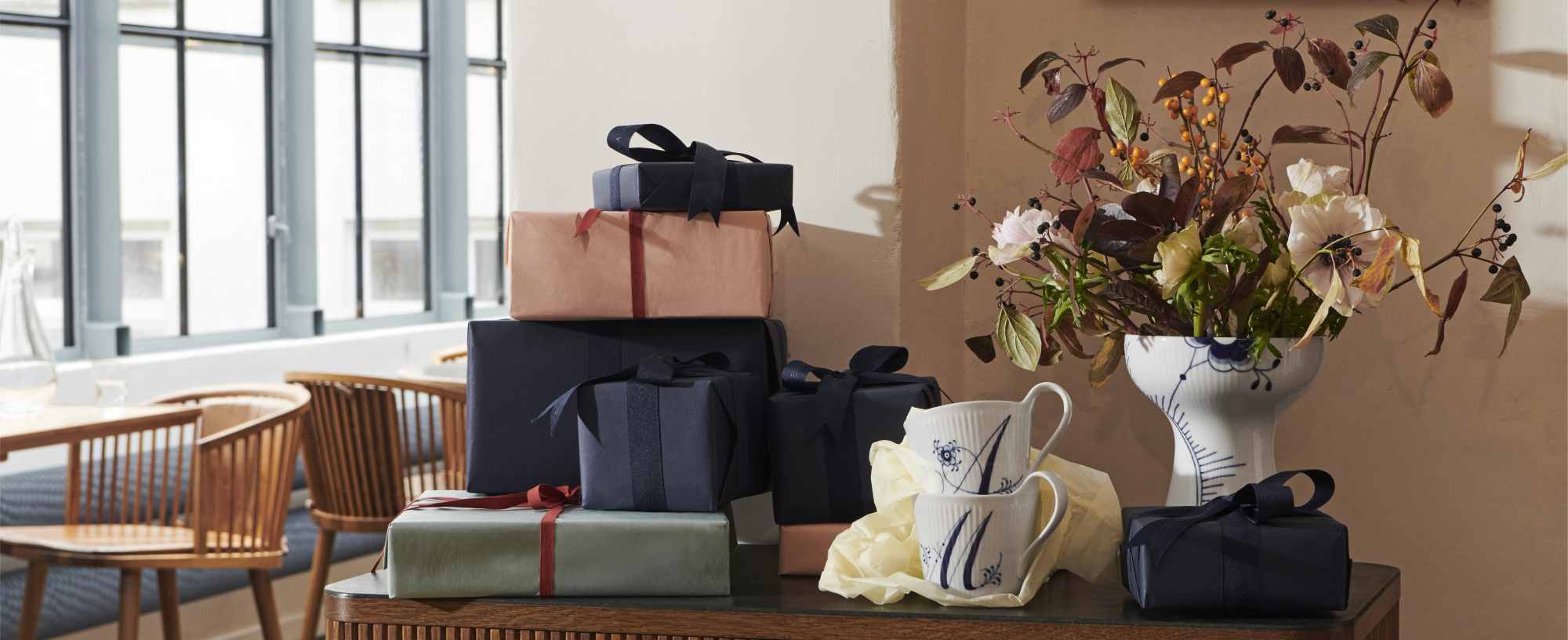
The sound of paper tearing, a ribbon coming undone, finding a handwritten note tucked inside: these things matter. During the holidays, people really lean into this with layers of tissue paper, maybe a sprig of something fresh tucked under the bow. But even on a random Tuesday, there’s something lovely about a cleanly folded package tied with care.
I’ve started to think of wrapping as the first part of the gift itself. It’s the anticipation you’re building, the care you’re demonstrating before they even know what’s inside. There’s a reason children get so excited about wrapped presents, even when they have no idea what they contain. The ritual of unwrapping is its own kind of magic.

We spend a lot of time on presentation at Kneen & Co. Sometimes as much time as we spend choosing what’s inside. The unwrapping should feel like part of the gift itself. It’s all connected: the care that went into making something beautiful, and the care you’re taking to share it.
Even something as simple as a handwritten tag makes a difference. Not a printed label with “To/From” fields filled in with a Sharpie, but an actual note. It doesn’t need to be long. Sometimes just “Thought of you when I saw this” is enough. It tells the recipient that you were thinking about them specifically, not just fulfilling an obligation.
There’s also something to be said for consistency in how you present things. Maybe you always use brown paper and twine, or maybe you collect interesting ribbon throughout the year. When people start to recognize your wrapping style, it becomes part of your signature. They see the package and they know it’s from you before they even read the tag.
Giving and Receiving
Real gift etiquette isn’t about following rules. It’s about being gracious.
The best gifts don’t corner someone into performing gratitude. They just… resonate. And when you receive something thoughtful? A real thank-you note (yes, handwritten) isn’t a chore. It’s how you close the loop. It tells someone: what you did reached me.
I think we’ve lost some of this in our rush to acknowledge everything instantly. A quick text that says “Got it, thanks!” might check the box, but it doesn’t really honor what someone did for you. Taking the time to sit down and write a few sentences, to explain what you loved about their choice or how you’ve already used what they gave you, that means something.
And honestly, it doesn’t need to be immediate. Some of the best thank-you notes I’ve received came weeks after I’d given something, because the person wanted to share how the gift had actually fit into their life. “I’ve been using that cutting board every day and it makes me smile” hits differently than “Thanks for the cutting board.”

On the giving side, I’ve learned to let go of expectations. The point isn’t to impress someone or to get a specific reaction. It’s to express care. Some of my favorite gifts have been met with quiet appreciation rather than effusive praise, and that’s completely fine. Not everyone processes emotions the same way.
A client once told me about her grandmother’s tradition. Every year, she’d wrap a single ornament in brown paper and twine, with a note explaining where it came from or what it meant. “By the time I was in my twenties,” she said, “my whole tree was full of stories.” That’s it, isn’t it? When you give with intention, the meaning compounds over time.
This idea of accumulation really resonates with me. The gifts that matter aren’t one-offs. They’re part of an ongoing dialogue between people who care about each other. Each thoughtful gesture builds on the last, creating a shared history that deepens the relationship.
When It’s Not About Occasions
We tend to think of gifting as something tied to birthdays, holidays, weddings. But some of the most meaningful gifts happen outside those prescribed moments.
Bringing someone soup when they’re sick. Sending flowers on a random Wednesday because you know they’re going through something hard. Picking up a book you think they’d love and dropping it off with no fanfare. These gestures can mean even more because they’re unexpected. They say “I’m thinking about you” when there’s no social obligation to do so.
I’ve started keeping a running list on my phone of things people mention in passing. Not in a creepy way, but just… notes. “Adrienne mentioned wanting to learn bookbinding.” “Kendall said he’s been looking for a good bread knife.” Then when their birthday rolls around, or when I just feel like doing something nice, I have a place to start.
This kind of attention doesn’t come naturally to everyone, and that’s okay. But it can be cultivated. It’s really just about being present in your conversations and caring enough to remember.
What It All Comes Down To
At its heart, gifting is about remembering. It’s about marking moments (big ones and small ones) in a way that feels personal.
It’s choosing something that’ll actually become part of someone’s life, not just clutter on a shelf. It’s wrapping with care because you want them to feel something when they see it. It’s offering beauty not as a flex, but as a genuine gesture.
When you give thoughtfully, you’re not just checking off an occasion. You’re saying: you matter to me. And honestly? That’s what makes a gift stick around long after the paper’s been recycled.
I think that’s why people often remember who gave them something long after they’ve forgotten what the gift actually was. The object might break or wear out or get lost in a move, but the feeling of being seen, of being known, of mattering to someone… that stays.