The Rise of “Healthy Luxury” Dining
A guest essay by Dr. Karolina Stefanski, Head of Sales, Robbe & Berking
Dr. Karolina Stefanski writes on a luxury measured not in abundance but in what is chosen to remain — a shift from spectacle toward craftsmanship, wellness, and permanence.
A Quieter Definition of Luxury
You may have noticed that luxury dining is undergoing a quiet but meaningful transformation. Where it was once defined by abundance, opulence, and excess, it is increasingly being shaped by restraint, clarity, and intention. The new luxury table is not louder; it is more precise. It values how something is made, how it makes you feel, and what it leaves behind.
This shift can be summed up in one idea: “healthy luxury” dining, a movement where indulgence is no longer about quantity and loud status symbols, but about quality of experience, materials, and meaning.
From Excess to Craftsmanship
For decades, luxury dining was associated with elaborate presentation, status signalling, rare ingredients, and maximalist expression. Today, the focus is shifting toward craftsmanship as the primary marker of value.
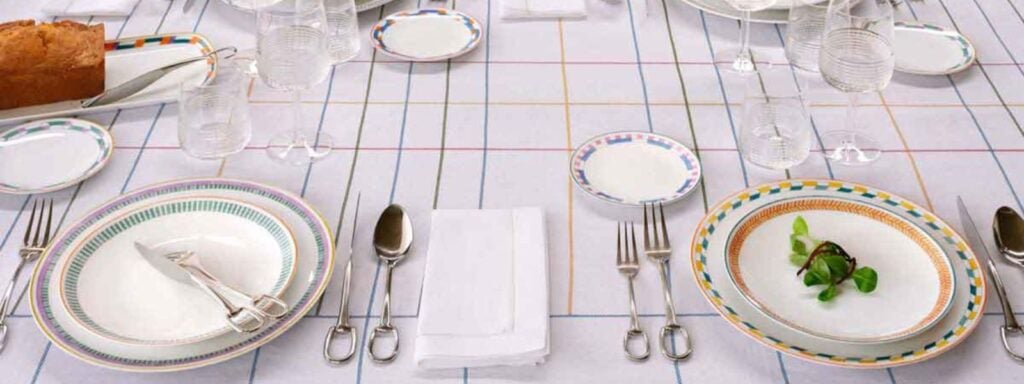
Hand-finished objects, time-intensive preparation, and visible artisanal skill are now more desirable than extravagance for its own sake. Whether it is hand-forged cutlery, slow-fermented bread, or hand-painted plates, the value lies in human touch and mastery.
Movements such as slow food and traditional manufacturing are more relevant than ever. There is growing awareness that the origin of what we eat, and the way objects are made, matters just as much as their appearance or function. A hand-thrown ceramic bowl from a small atelier, for example, carries a very different cultural weight than mass-produced tableware, even if both serve the same purpose.
Craftsmanship, in this sense, introduces a quieter form of prestige: one that rewards attention, patience, and purpose rather than spectacle or status display.

Wellness as a Core Design Principle
Luxury dining is also increasingly shaped by wellness — not as restriction, but as alignment.
This can be seen in lighter, more digestible menus that still deliver depth of flavour; in ingredients chosen for nutritional clarity and provenance; and in dining environments designed to reduce overstimulation. Think of spaces with soft lighting, natural materials, restrained colour palettes, and acoustics that allow conversation rather than noise.
Even pacing has changed. Multi-course dinners are increasingly designed with pauses, allowing the body to follow its natural rhythm instead of being rushed from plate to plate.
Wellness in this context is not about dieting culture. It is about recognising that comfort, energy, and long-term wellbeing are part of the luxury experience itself. A meal is no longer judged only by taste, but also by how it makes you feel two hours later, or even the next morning.
Authenticity Over Performance
Another major shift is the decline of performative dining. Instead of overly styled plates or theatrical service moments, there is growing appreciation for authenticity and transparency.
This shows up in visible sourcing of food and materials and original storytelling; in seasonal menus that accept limitation rather than resist it; in kitchens that embrace simplicity when it is appropriate; in materials and ingredients that are allowed to “speak” for themselves without overstimulation.
Authenticity has become a form of confidence. It signals that nothing needs to be exaggerated to justify value.

Sustainability as an Aesthetic Value
Sustainability is no longer a separate ethical layer, but is becoming part of the aesthetic language of luxury.
This includes not only food sourcing, but the entire ecosystem of dining: reduced waste and full ingredient utilisation; durable, repairable objects rather than disposable replacements; and tableware designed for longevity rather than seasonal turnover.
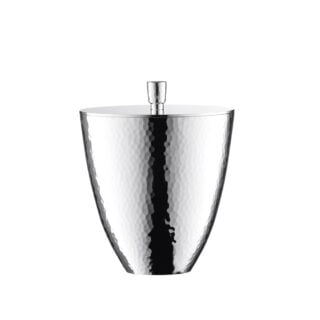
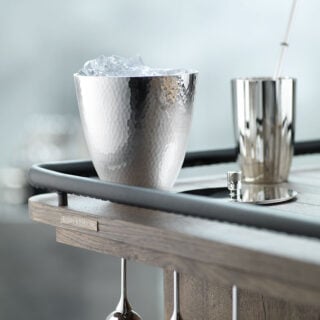
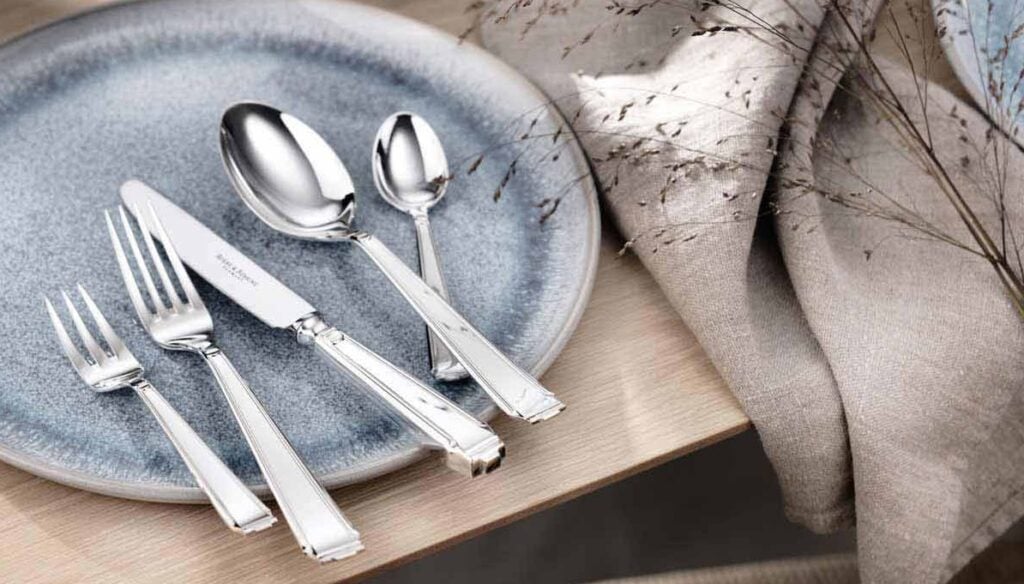
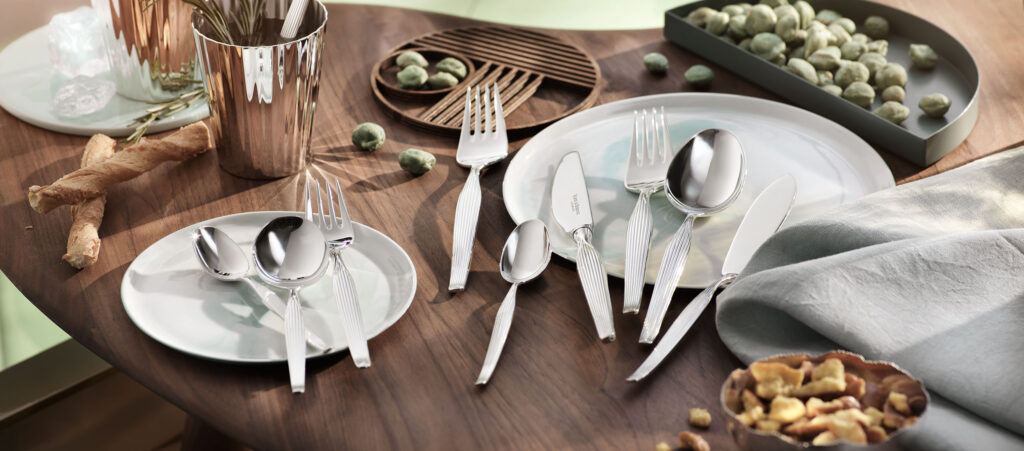
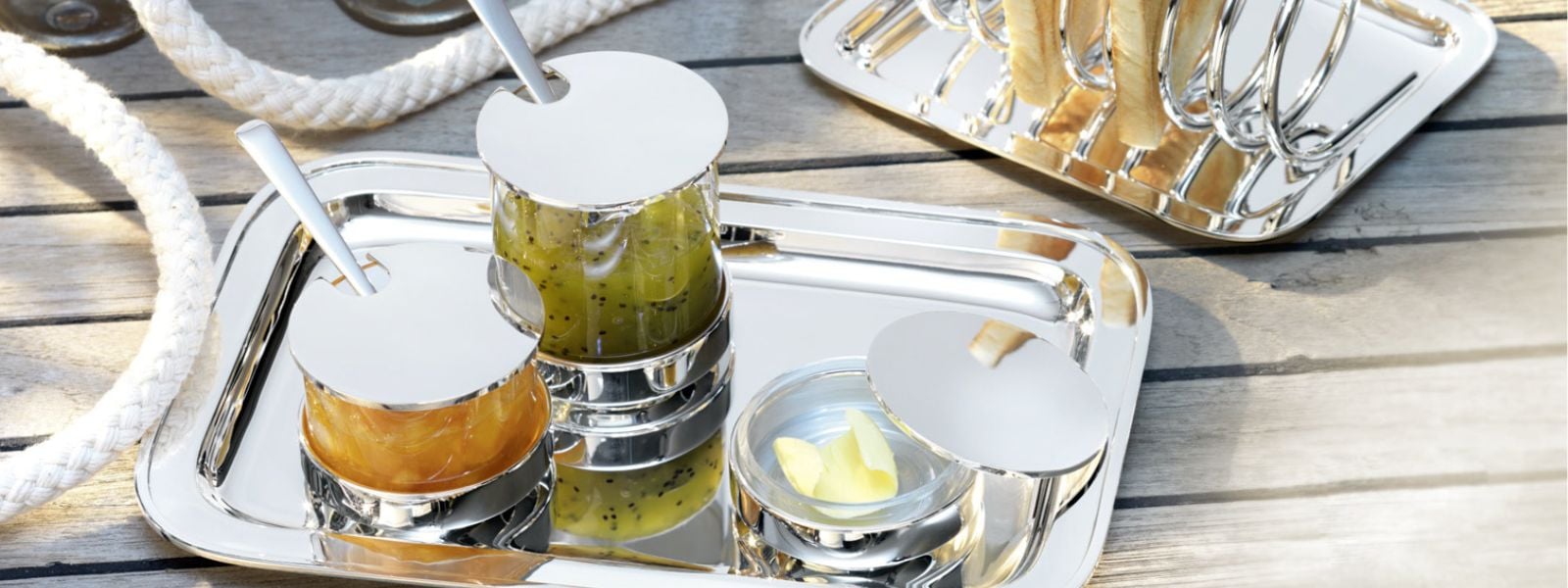
There is also a renewed appreciation for materials that last. Silver — the work of makers such as Robbe & Berking, for instance — is increasingly relevant again, not only for its beauty and health benefits, but for its permanence. It is a precious metal that can be maintained, restored, and passed down across generations for centuries to come.
Even the origin of materials is becoming part of the conversation. Where ingredients come from, how they were harvested, and what resources were used in production are increasingly part of how value is understood.
A dining experience is therefore no longer evaluated only by what is served, but also by what it costs, environmentally and culturally, to create it.
Sustainability is becoming less of a constraint and more of a refinement.
Intentional Dining Rituals
One of the most subtle but powerful changes is the return of ritual.
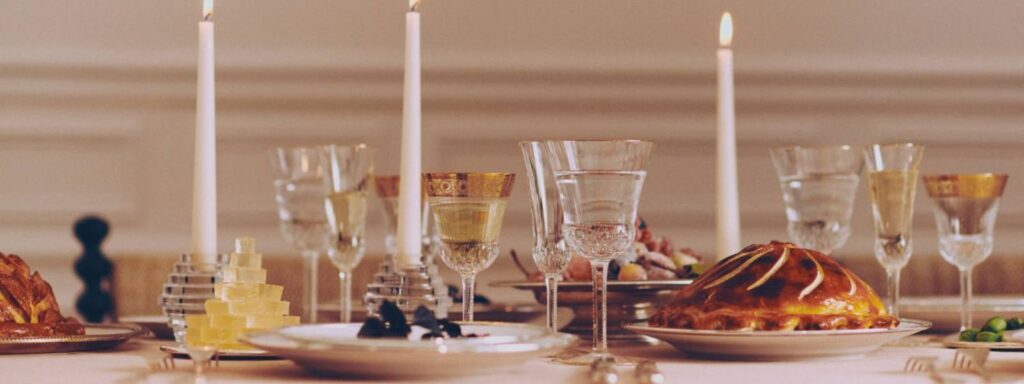
Luxury dining is moving away from rushed consumption toward intentional sequencing and slower table service that creates space between courses. It includes curated table settings that guide behaviour and attention, with the emphasis on shared experience rather than individual consumption. Deliberate moments of pause within the meal are as important as the ritual itself.
Even small details — how cutlery is placed, how wine is introduced, how a table is reset — contribute to a sense of structure and calm.
Importantly, the focus is shifting from individual consumption toward shared experience. A meal becomes something collectively experienced rather than individually consumed.
In this sense, dining is less about eating and more about participating in a carefully designed moment.
The New Definition of Luxury
“Healthy luxury” does not reject indulgence, but rather refines it. It removes noise, excess, and performative elements, replacing them with intention, care, and clarity.
In this new landscape, luxury is defined less by what is added and more by what is removed — like a painting refined until only the essential remains. Less excess and more precision; less spectacle and more meaning; less consumption and more experience.
The future of luxury dining is not louder or more extravagant. It is quieter, more thoughtful, and more human. And that may be its most luxurious form yet, as it is a more conscious consumption.