
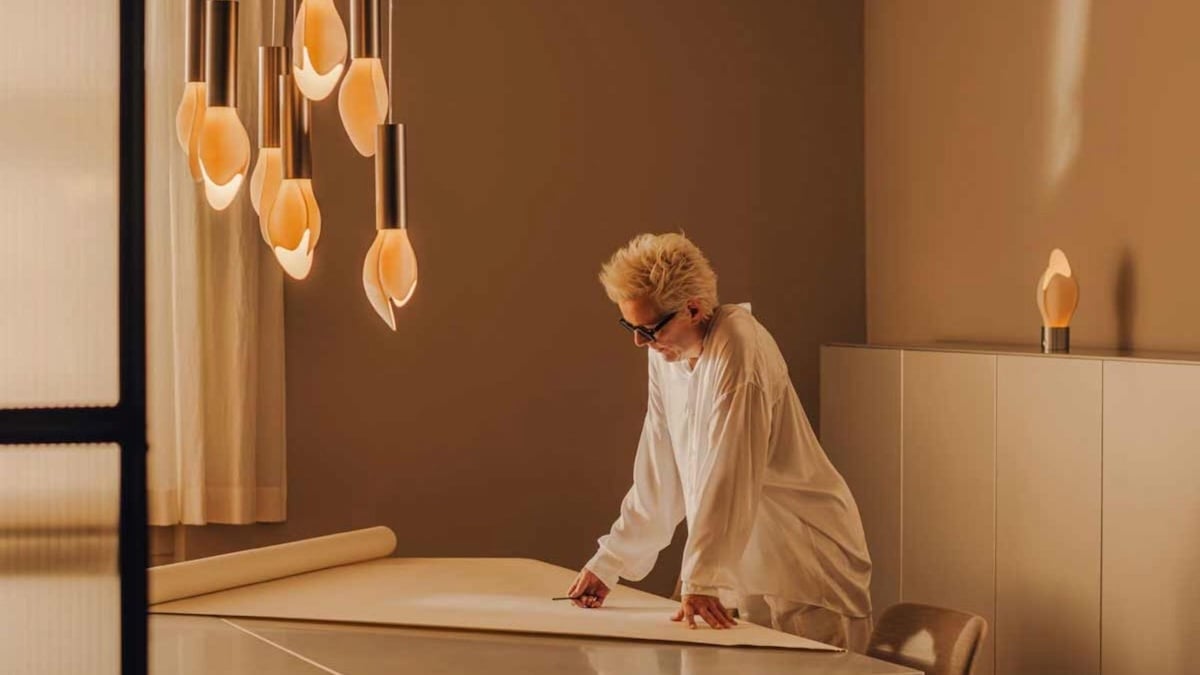
Women Founders in Design: The Visionaries Shaping Modern Craft
four studios. Four creative languages. One shared refusal to make anything ordinary.
There is a particular kind of authority that comes not from inheritance, but from refusal.
The refusal to let a licensing partner dilute your vision. To ornament what is better left bare. To print what should be painted by hand.
The women founders in design featured here built their studios around exactly that kind of refusal — and in doing so, created some of the most compelling objects in contemporary luxury. These women founders in design represent some of the most influential voices working today in contemporary glass, porcelain, ceramics, and textile craftsmanship.
From architectural glassware in the Czech Republic to hand-painted Limoges porcelain in Paris, from Berlin porcelain that graces more than 250 Michelin-starred restaurants to Belgian linens made to order for private homes, yachts, and private aircraft — these founders did not simply design products. They established creative languages. They trained artisans. They built studios that now stand among the most respected names in modern craft.
In celebration of Women’s Month, Kneen & Co is proud to shine a light on four women founders whose work we carry — and whose vision continues to shape the objects we live with every day.
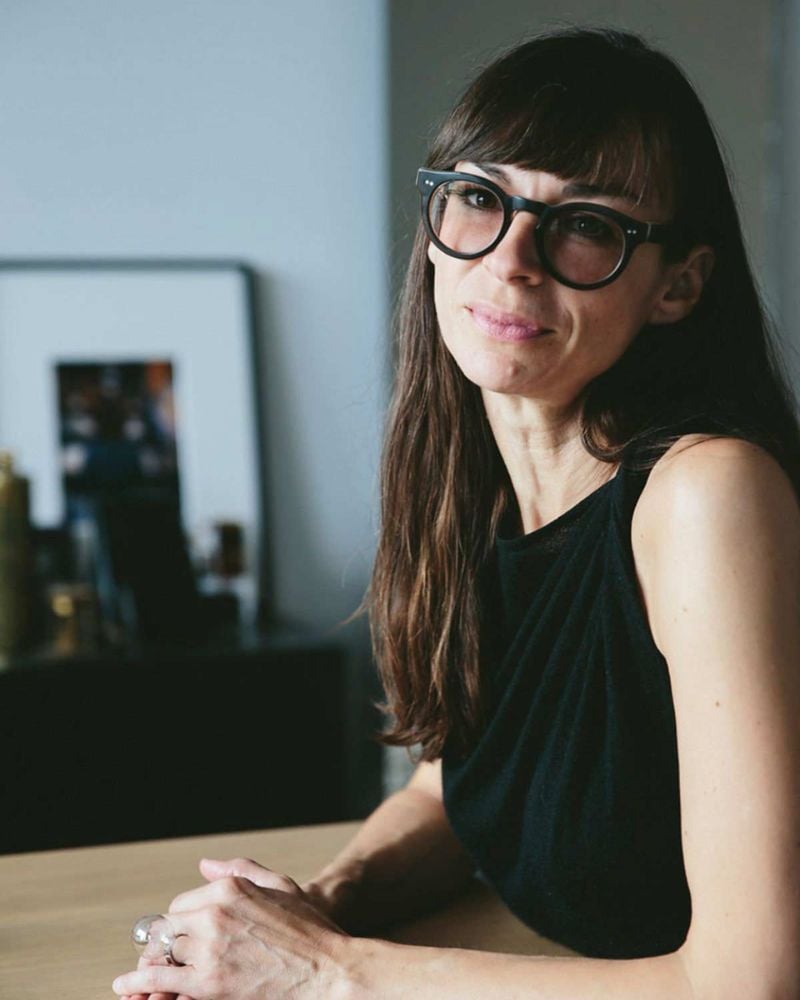
Felicia Ferrone — Fferrone
The Architect Who Refused to Compromise
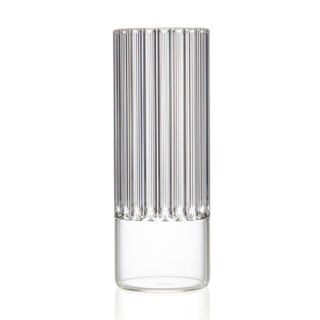
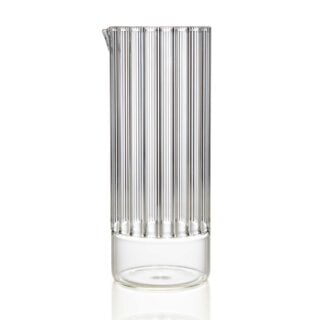
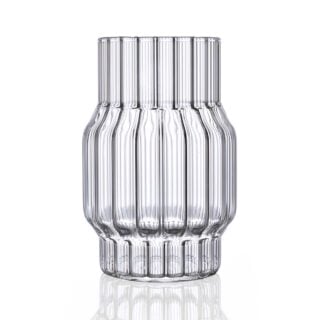
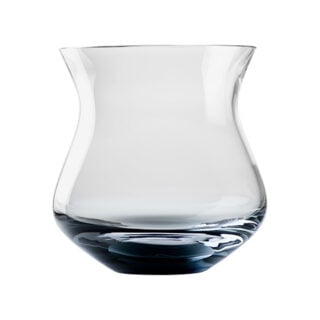
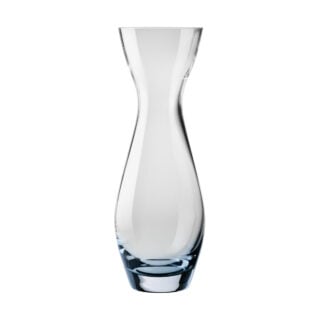
In 2001, Felicia Ferrone founded fferrone, a design studio devoted to glassware defined by architectural clarity and disciplined restraint. Among the studio’s most influential works is the Revolution Collection — a series of cylindrical vessels distinguished by their inverted proportions and extraordinary visual lightness. At first glance the forms appear almost impossible, as though gravity has been quietly suspended. In reality they are the result of precise geometry and rigorous craftsmanship, establishing a new language for contemporary glass that favors balance, proportion, and structural elegance over ornament.
That decision tells you everything about who Ferrone is as a designer.
Born in Chicago and trained as an architect at Miami University, Ferrone spent formative years working in the studios of some of Italy’s most influential architects — among them Antonio Citterio, Vittorio Gregotti, and Piero Lissoni — where she absorbed the Italian philosophy of dal cucchiaio alla città: from the spoon to the city. The same fundamental design principles — function, form, context, proportion, balance, and scale — apply whether you are designing a glass or a building.
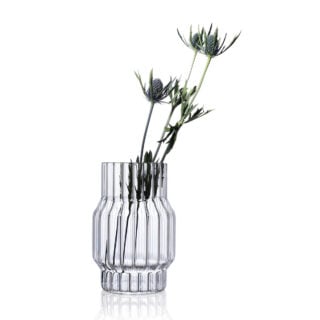
That philosophy is visible in every fferrone piece. Each object is individually hand-shaped using flameworking techniques in one of the Czech Republic’s most significant glassmaking towns. The forms are architectural — defined by precise geometry, consistent ratios, and a deliberate absence of ornament. They appear to defy gravity. They look like they belong in a museum and feel completely at home on a table.
The Revolution Collection now resides in the permanent collection of the Art Institute of Chicago.
Film directors cast fferrone glassware in franchises including Star Wars and John Wick because, as the brand notes, the pieces represent tomorrow’s design language. Restaurants like The French Laundry and Per Se select them because they understand that exceptional dining demands exceptional objects.
Ferrone is included in Phaidon’s Woman Made: Great Women Designers (2021), a survey of 200 women who shaped product design across a century. She currently serves as Chair of Industrial Design at the University of Illinois Chicago. Her work has been featured in over 150 publications worldwide, including Vogue, Architectural Digest, and The New York Times.
She describes her work as designed for “an enduring future.” The permanence of the Art Institute collection confirms it.
Source: The Revolution Collection is held in the permanent collection of the Art Institute of Chicago.
Ferrone is featured in Woman Made: Great Women Designers, Phaidon Press, 2021.









Stefanie Hering — Hering Berlin
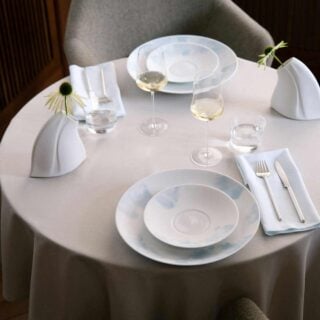
The Ceramicist Who Stripped Porcelain to Its Essence
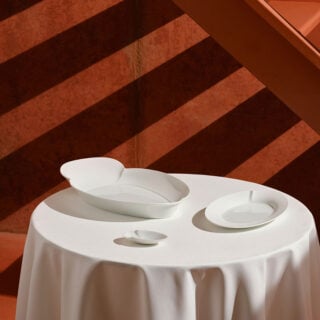
At the age of 16, Stefanie Hering began an apprenticeship in pottery. What she found was not a career path but, as she has said, a passion for “the beauty, the possibilities, but also the challenges of porcelain.” She went on to earn a master craftsman’s certificate, and in 1992, she founded the Hering Berlin manufactory with a radical proposition: let the material speak.
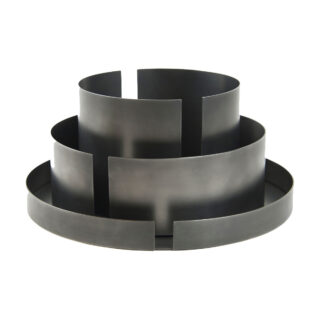
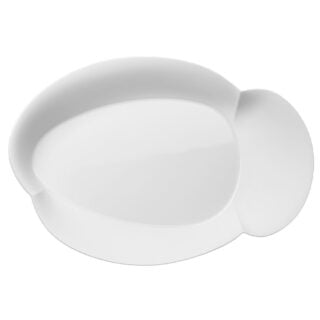
Where classical European porcelain had long relied on ornate gilding and elaborate decoration, Hering chose restraint. Matte bisque surfaces. Mineral glazes with iridescent depth. Subtle relief patterns. Silhouettes reduced to their essential form. As Hering Berlin’s own brand language puts it, she set out to “revolutionise the appearance of manufactured porcelain.”
She works closely with the traditional Reichenbach manufactory in Thuringia, personally selecting and training every craftsperson involved in production — often for years. She prototypes every design herself, translating sketches into porcelain before handing development to her team. The result, in her words: porcelain that reflects “the artisan’s touch that makes each individual porcelain object unique.”
Her designs may look simple. They are not. As Hering Berlin states plainly, they require technically complex processes to implement.
The brand has received the Red Dot Award and the Gold Medal at the Gyeonggi International Ceramic Biennale. Hering Berlin porcelain is held in museum collections including the Kunstgewerbemuseum Berlin, the Musée National de Céramique in Sèvres, and the Museum für Kunst und Gewerbe in Hamburg. Over 250 Michelin-starred restaurants around the world have chosen her pieces.
“Never give up. Life’s desires do not come true in a linear fashion, but it is always worth fighting for a true passion.”
— Stefanie Hering, on ambition and the limits others set for women
She built the studio she wanted. The museums collected it. The chefs chose it. The collectors sought it out.
Shop Hering Berlin at Kneen & Co →




Marie Daâge — Marie Daâge
The Woman Who Refused to Let Limoges Die
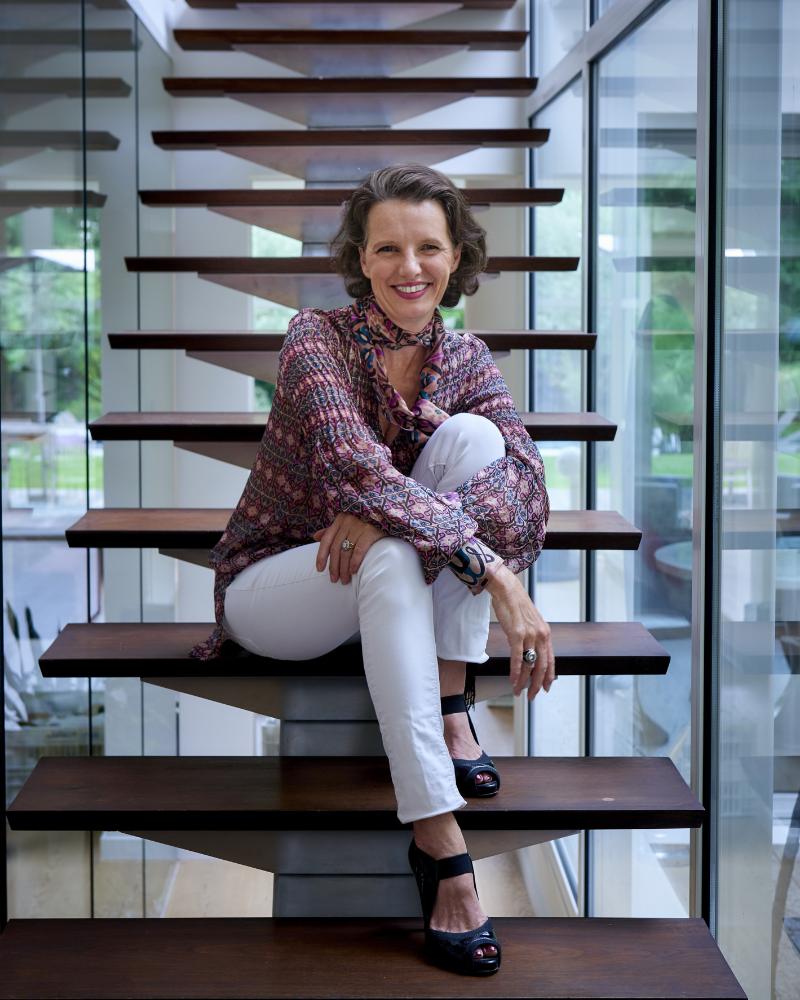
In the late 1980s, Limoges porcelain — one of France’s most significant craft traditions — was being undercut by imitation. Marie Daâge, born in Austria and raised in Martinique, had been educated at the École du Louvre in Paris. In 1990, she began hand-painting Limoges porcelain out of what she describes simply as love — a lifelong dialogue between artist and material.
What grew from that love story is now one of the most decorated ateliers in French decorative arts.
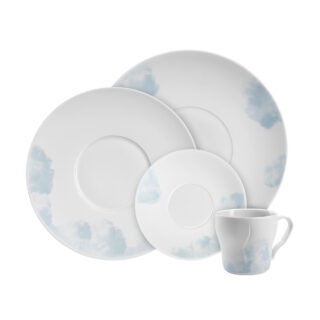
Marie Daâge is one of the rare maisons in the world to offer Limoges porcelain that is still 100% freehand painted — in keeping with the heritage of 18th-century French craft. Every piece is made to order. Every charger, carafe, and teacup passes through a laborious multi-firing process that allows different pigments to be applied between firings, with temperature adjustments maintaining the vibrancy of each hue.
Her painters train for years. The techniques are historic — including putoisage, a meticulous brushwork approach that achieves velvety, atmospheric depth. When traditional methods fell short, Daâge invented new ones. When she could not replicate the texture of South African feathers her father had brought home, she began reshaping her brushes to mimic the plume’s soft striations — a quiet innovation that became a hallmark of the brand.
The atelier’s reach is extraordinary: royal families, five-star hotels, Michelin-starred restaurants, private jets for Dassault France, and private yachts. Special collections have been created for Jacques Deniot, Nina Campbell, the Hotel Le Crillon, and the Grand Véfour restaurant, among others. The maison now offers over 90 collections in more than 65 color palettes.
In 2012, Marie Daâge was awarded the Chevalier de l’Ordre de la Légion d’Honneur for her contribution to preserving France’s cultural heritage. The citation makes explicit what her work represents: not simply beautiful porcelain, but the active preservation of a national craft.
“Building your porcelain collection is like building your wardrobe — you find your must-haves, your favourites, and your touches of colour, and you buy key pieces every year.”
— Marie Daâge


&url=https://kneenandco.com/product/fferrone-flight-collins-glass-set-of-2/&media=https://kneenandco.com/wp-content/uploads/2026/04/FERRONE-Flight-MediumGlass190610-FF-0034-pairing-1200x1200-100KB-1024x1024.jpg)


&url=https://kneenandco.com/product/fferrone-cerna-large-glass-set-of-2/&media=https://kneenandco.com/wp-content/uploads/2025/11/FFERRONE-Cerna-Large-Paired-1200x1200-100KB-1024x1024.jpg)
&url=https://kneenandco.com/product/fferrone-ernestine-mini-martini-collection-set-of-4/&media=https://kneenandco.com/wp-content/uploads/2025/11/FFERRONE-Ernestine-Collection-JA-0068-grouping-1200x1200-100KB-1024x1024.jpg)

&url=https://kneenandco.com/product/fferrone-cerna-medium-glass-set-of-2/&media=https://kneenandco.com/wp-content/uploads/2025/11/FFERRONE-Cerna-Medium-Paired-1200x1200-100KB-1024x1024.jpg)


Mirabel Slabbinck — Mirabel Slabbink
A Century of Craft, Redirected
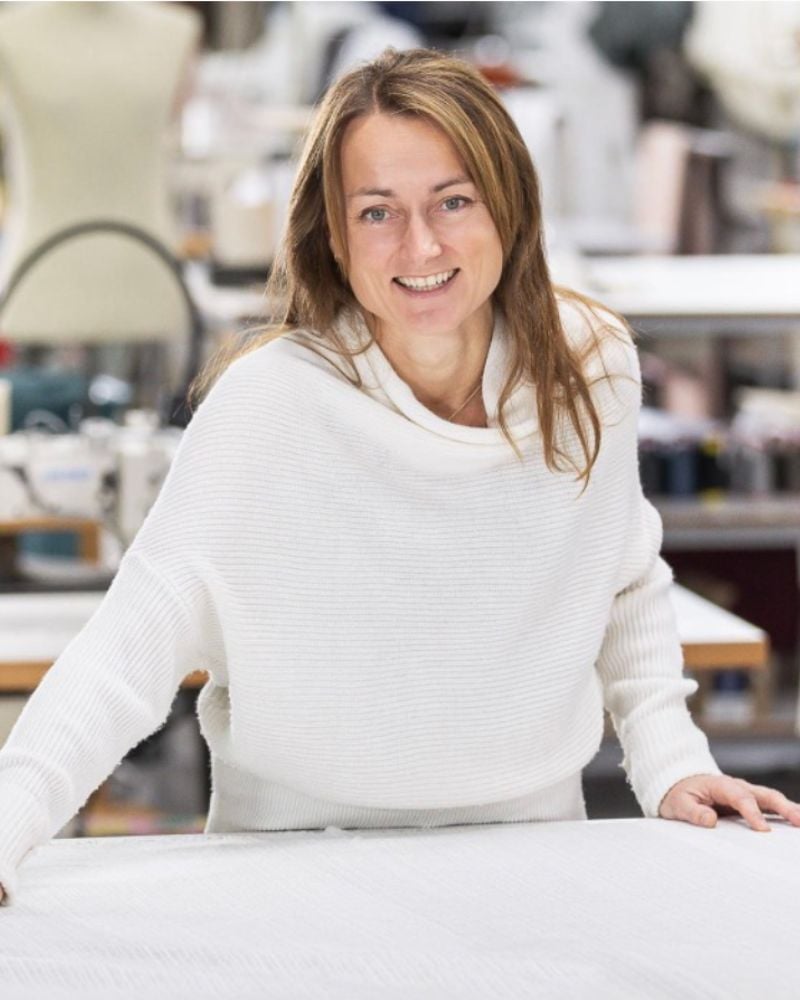
The Slabbinck story begins in 1903, in the city of Bruges, Belgium. Hendrik Slabbinck — Mirabel’s great-grandfather — founded a workshop as a skilled gold embroiderer. For generations, the family’s craft was directed toward liturgical vestments: the most exacting, ceremonially significant textile work in European tradition. The family became an international reference in that field.
The fourth generation made a decision. Mirabel Slabbinck inherited a century of embroidery mastery — its precision, its material standards, its culture of bespoke production — and redirected it entirely toward the home.
“I still find it to be one of the most exciting places I know. It’s where our designs and creations come alive in the hands of our talented craftsmen.”
— Mirabel Slabbinck, on the atelier in Bruges
Today, Mirabel Slabbinck produces refined bed, bath, and table linens entirely handmade in Belgium. Every order is made individually — “make to order” production means no overstock exists. Even leftover fabric is reused to make the brand’s own linen packaging. Materials are selected with exacting care: extra-long staple Egyptian cottons, natural Belgian linen, processed with what the brand describes as “optimal ecological responsibility.”
The atelier’s work now adorns luxury homes, yachts, and private aircraft across the world. The brand holds the Handmade in Belgium label, a certification that carries legal and cultural weight in one of Europe’s great textile nations.
What Mirabel Slabbinck built is not a pivot from her family’s tradition. It is its logical continuation — the same century-old standard of making, applied to the spaces where we live our most intimate daily lives.
Why Women Founders in Design Are Reshaping Modern Craft
What these women founders in design share is not a common aesthetic. They do not share a material, a country, or a stylistic era. What they share is something quieter and more durable: the commitment to build a studio on their own terms, according to standards they set themselves, without waiting for permission.
Felicia Ferrone rescinded a licensing deal to make glassware the way she believed it should be made — and the Art Institute of Chicago validated that decision. Stefanie Hering founded a manufactory to strip porcelain back to what she believed it actually was — and over 250 Michelin-starred restaurants agreed. Marie Daâge started painting Limoges porcelain by hand in 1990 to preserve what she believed was worth preserving — and France awarded her the Légion d’Honneur for it. Mirabel Slabbinck redirected a century of embroidery mastery toward the home — and the world’s most discerning interiors followed.
These are not small acts. They are the foundation of design houses that are now among the finest in the world.
At Kneen & Co, we carry these brands because the objects they produce are exceptional — and because we believe the stories behind them are as important as the pieces themselves.
Designers Featured in This Article
Felicia Ferrone — Founder of fferrone, known for contemporary architectural glassware produced by master glass artisans in the Czech Republic.
Stefanie Hering — Founder of Hering Berlin, a porcelain studio recognized for its refined forms and collaborations with leading restaurants worldwide.
Marie Daâge — Founder of the Paris-based maison Marie Daâge, one of the few ateliers producing entirely hand-painted Limoges porcelain.
Mirabel Slabbinck — Creative Director of Mirabel Slabbinck, the Belgian textile house continuing a century of embroidery craftsmanship in bespoke linens.
Behind the Craft: Techniques Used in Contemporary Glass, Porcelain, and Ceramic Design
How is luxury glassware traditionally produced?
Many contemporary glass designers continue to work with workshops that specialize in hand-blown glass production. Molten glass is gathered on the end of a blowpipe, shaped through breath and hand tools, and slowly cooled to maintain structural strength and clarity.
What defines hand-painted porcelain?
Hand-painted porcelain is decorated individually by artists using extremely fine brushes and mineral pigments. The decoration is fired in a kiln, often multiple times, allowing the colors to fuse permanently with the porcelain surface.
Why do handmade ceramics vary from piece to piece?
In studio ceramics, slight differences in glaze, firing temperature, and clay composition produce subtle variations in color and texture. These variations are considered part of the artistry and ensure that each piece is unique.
Why do collectors value studio-produced tableware?
Objects produced in independent studios often reflect a designer’s direct involvement in materials, form, and production methods. This connection between maker and object gives studio tableware a level of individuality that collectors find especially compelling.